Update on Hives Wiped Out by The Bear

I visited the location today where the bear demolished all of the hives to retrieve some of the concrete blocks and saw a few bees flying around. It seemed odd to me there was activity, considering it had been a couple of weeks since I moved the remaining hive out. When I took a closer look I saw around 50 bees sitting on two frames on the ground. It was one of the colonies leftover from the bear attack, still with their queen - and I was able to collect them up and put them in a hive! Those are some very resilient bees to sit and wait like that.

Once the two frames were safely in a hive box, the bees began signaling to the rest of the colony that the queen was inside and they spent the next half hour assembling into their new home. I moved them to the other site in the field of goldenrod.

IMG_4061.JPG
IMG_4063.JPG
Screen Shot 2020-06-07 at 11.08.52 PM.png
IMG_4078.JPG
IMG_4091.JPG
DJI_0107.JPG

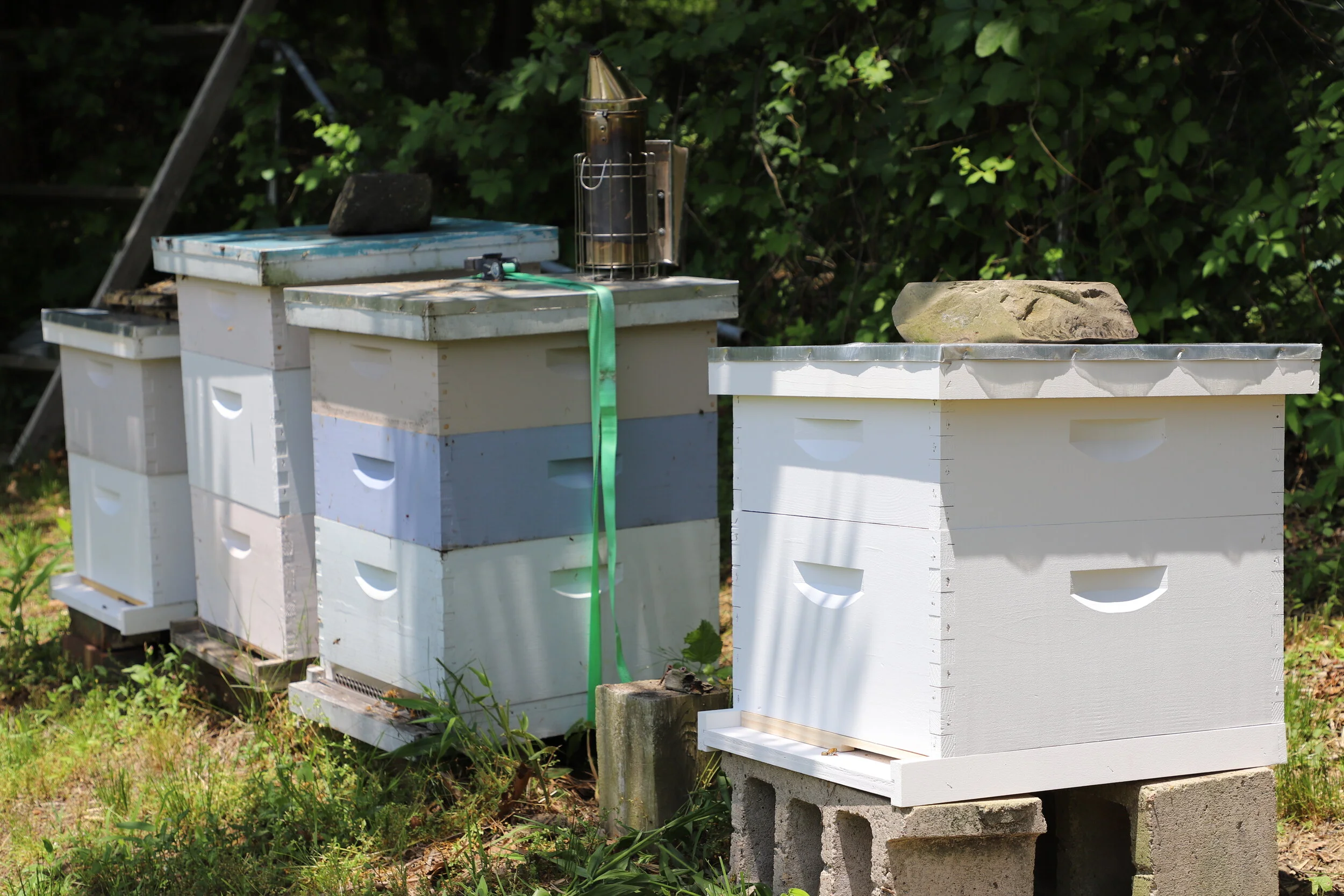
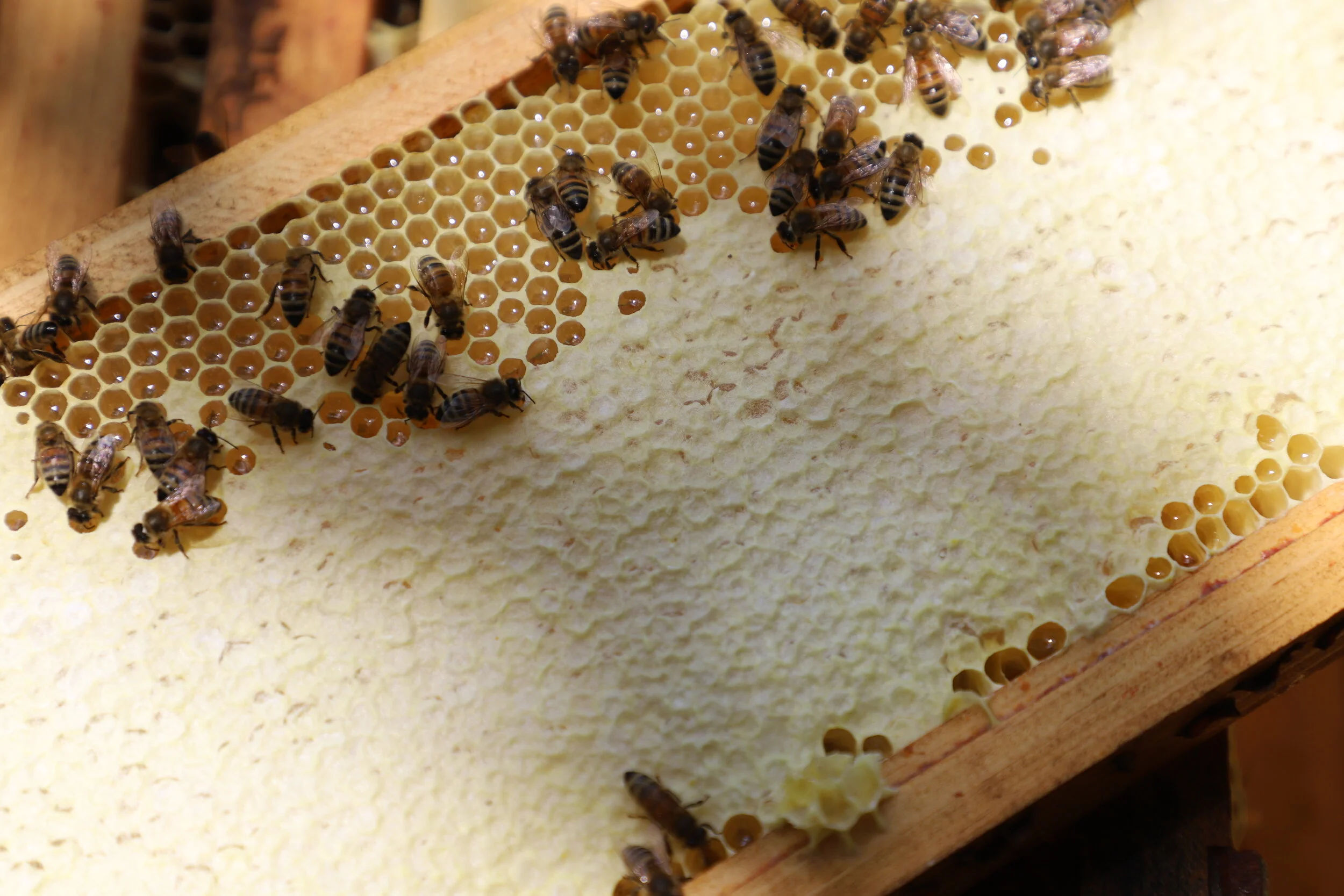
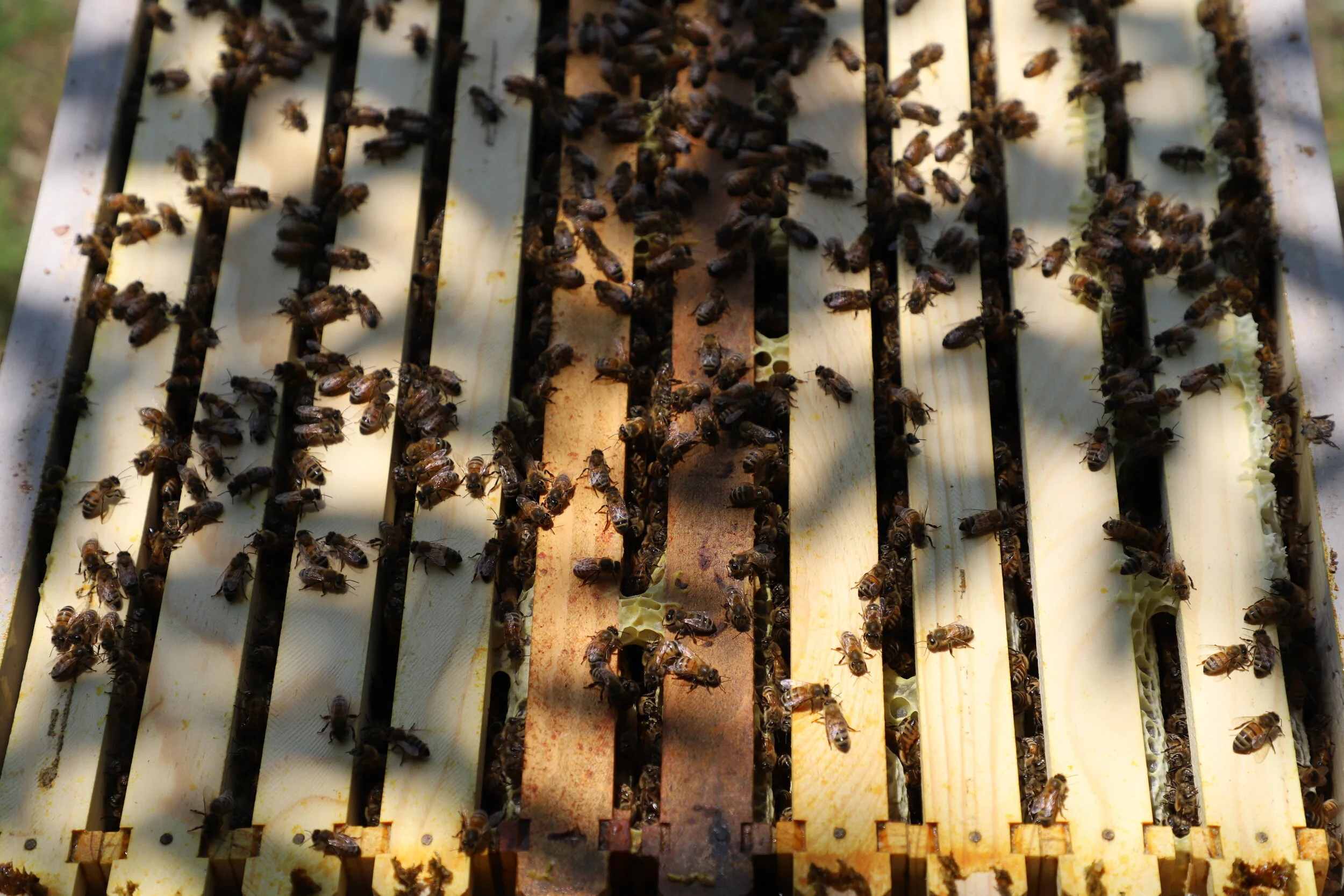
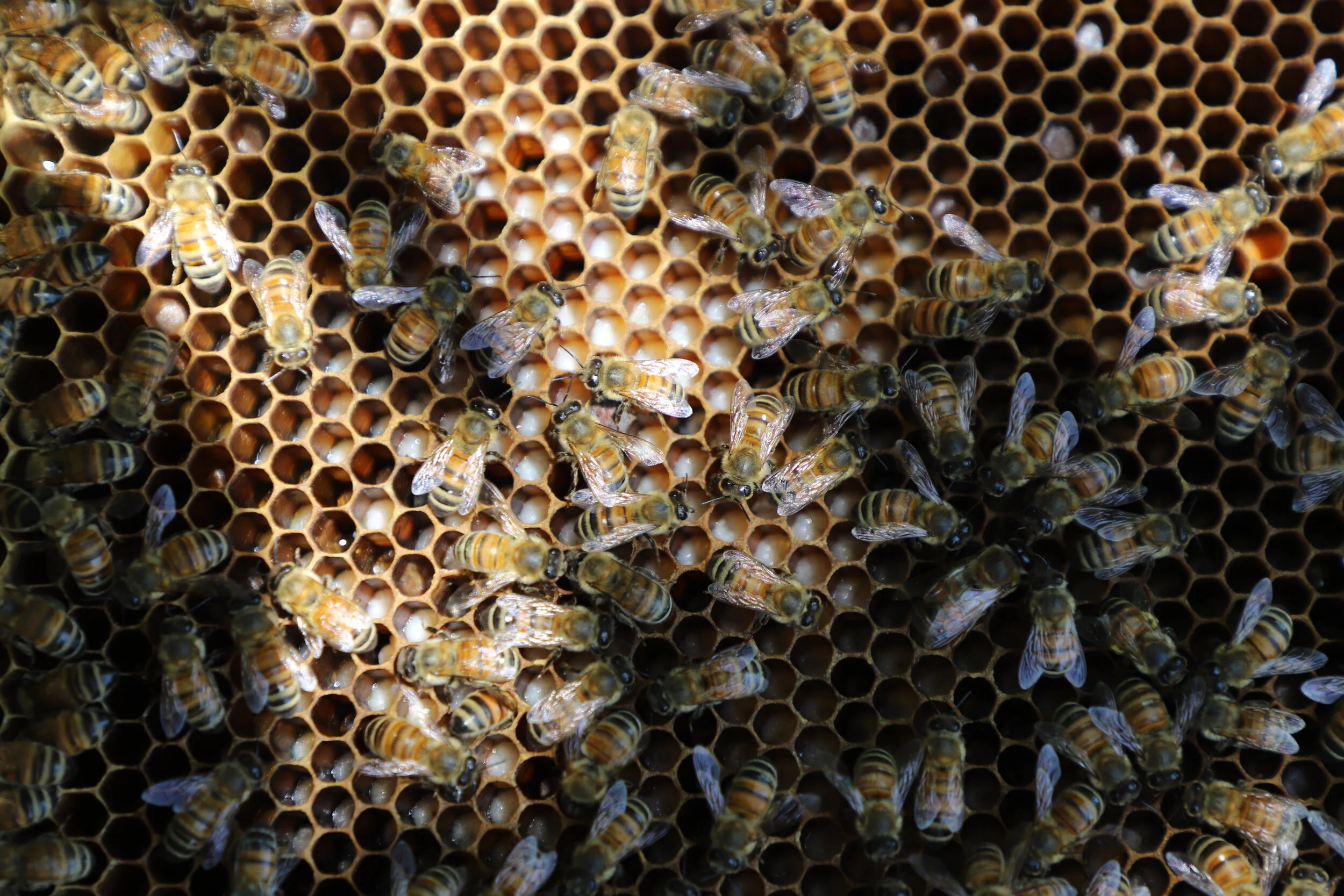
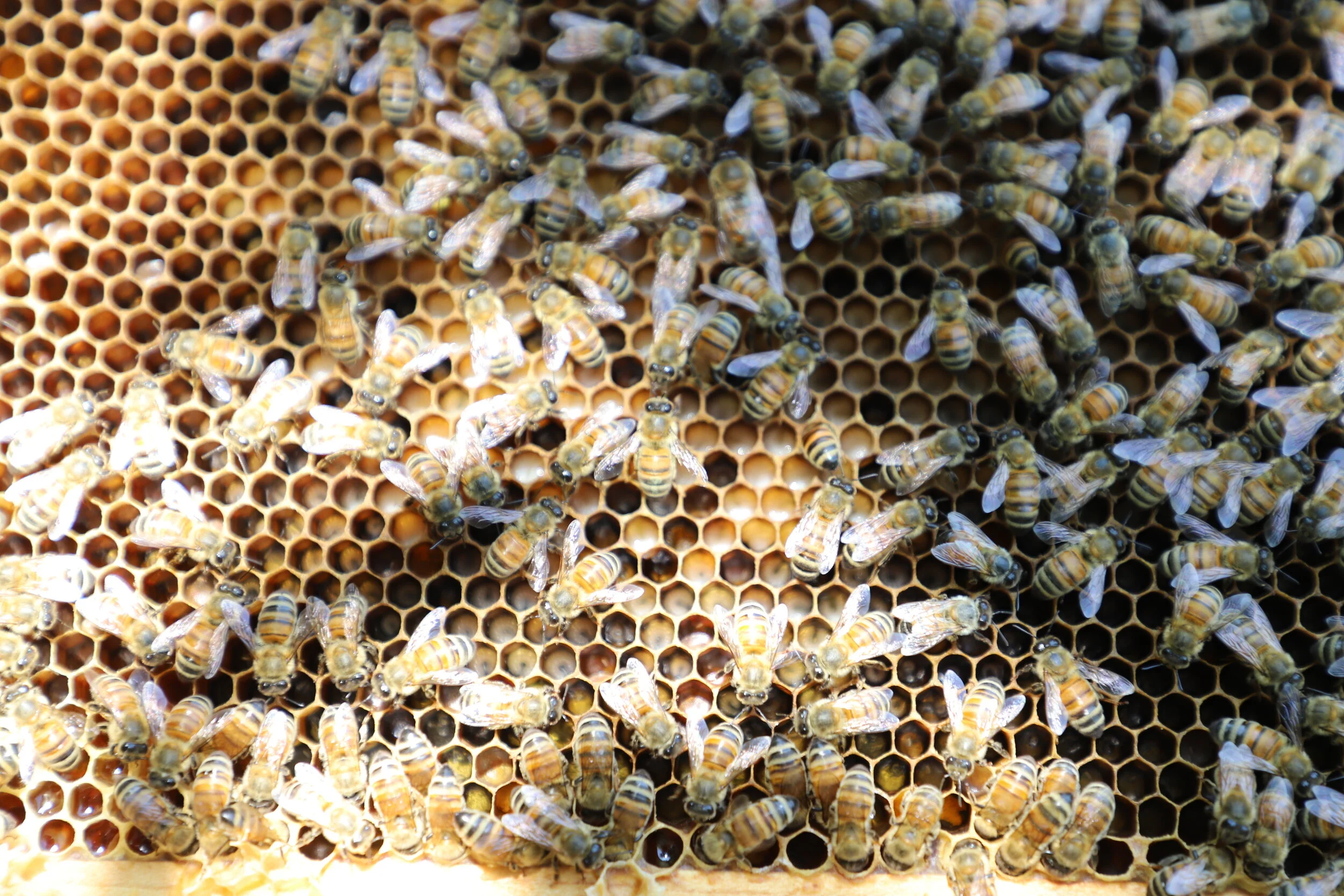
There are two other beehives in my backyard that I inspected yesterday. One was jam-packed full of bees and spring honey. It was so full that I had to add another empty brood box for them and also split the hive into two. Technically speaking, there are now four hives in my backyard…

IMG_4057.JPG
IMG_4053.JPG
IMG_4055.JPG

Update on the Swarm

I checked in on the swarm that I removed from one of my neighbor's homes. I noticed there was little activity coming in and out over the last week and I had a suspicion the queen swarmed again. However, there are three good frames of brood and eggs - everything looked great! I did not want to spend a lot of time in there looking for the queen, so quickly closed it up. Will look for her in a few weeks.

IMG_4050.JPG
IMG_4049.JPG
IMG_4051.JPG

A Spring Swarm

One of my neighbors discovered a honey bee swarm in his yard on Saturday, it was still there on Sunday. Orion and I drove over with an empty hive Sunday morning and relocated the honey bees. I will let them get situated for a day or to, then conduct another inspection and make sure they are healthy. The queen looked perfect, from the brief glance I had of her.

The honey that is available to purchase in the store is 100% local, raw organic honey.

IMG_3992.JPG
IMG_3995.JPG
IMG_3993.JPG
IMG_4004.JPG


The Return of The Bear

A bear got through the electric fence in one of the apiaries and wiped out four hives. There was one hive remaining, lying on its side. As soon as I stood it upright, hundreds of angry bees poured out and were trying to sting everything they could - my camera, gloves, bee suit, hive tools, etc. I had to walk away from the area for a good half hour before I could return and deal with the damage.

Instead of keeping the second location, I decided to move the remaining hive to the other apiary (in the Goldenrod field) with the other hives. The fence posts can be re-used, my plan is to set up a second electric fence around the existing inner electric fence and run barbed wire instead of smooth wire. My guess is the bear’s fur is too think for the smooth wire to give it a jolt.

That makes 11 hives damaged by bears in the last year.

IMG_3978.JPG
IMG_3980.JPG
IMG_3981.JPG
IMG_3979.JPG
IMG_3982.JPG
IMG_3983.JPG
IMG_3988.JPG
IMG_3989.JPG

Honey Bees, Bears, and Winter

A bear made it through the electric fencing that was enclosing 12 beehives and completely destroyed most of them. It may have been a couple of weeks, including several days of 20 degree temperatures, before I discovered it. Most impressive is that five of the beehives were resilient enough to survive, boxes completely opened and toppled upside down. I was able to put the beehives back together and cross my fingers that they would survive the remainder of the winter, as it was much too cold to perform an inspection to determine if the queens were still alive.

As of last Sunday, the five remaining beehives are doing well and there is evidence of queens in them!

Hives damaged by a bear

Hives damaged by a bear

IMG_3256.JPG
IMG_3741.JPG
IMG_3735.JPG
IMG_3708.JPG

Beehive relocation

A beekeeper needs to consider the available foliage in the surrounding 8,000 acres when placing beehives at a location, especially in urban areas where there is density of houses, businesses, highways, and industry. I noticed the newest beehive in my backyard was not building up as quickly as the new beehives out in the country, and the suburban bees were starting to get more defensive than the others. Considering the availability of foliage in the country, I decided to relocate the hive yesterday out to the country. They can enjoy the “country air” for a couple of months, then I wil reassess whether to relocate them back to the suburbs.

There has been no sign of the bears for several weeks, they may have found better sources of food that aren’t surrounded by an electric fence. Before calling it a day I knocked down the weeds in the apiaries, said hello to a toad passing through, and gave a little more ventilation to a hive.

IMG_2864.JPG
IMG_2865.JPG
IMG_2866.JPG
IMG_2867.JPG
IMG_2868.JPG

One of the July Inspections

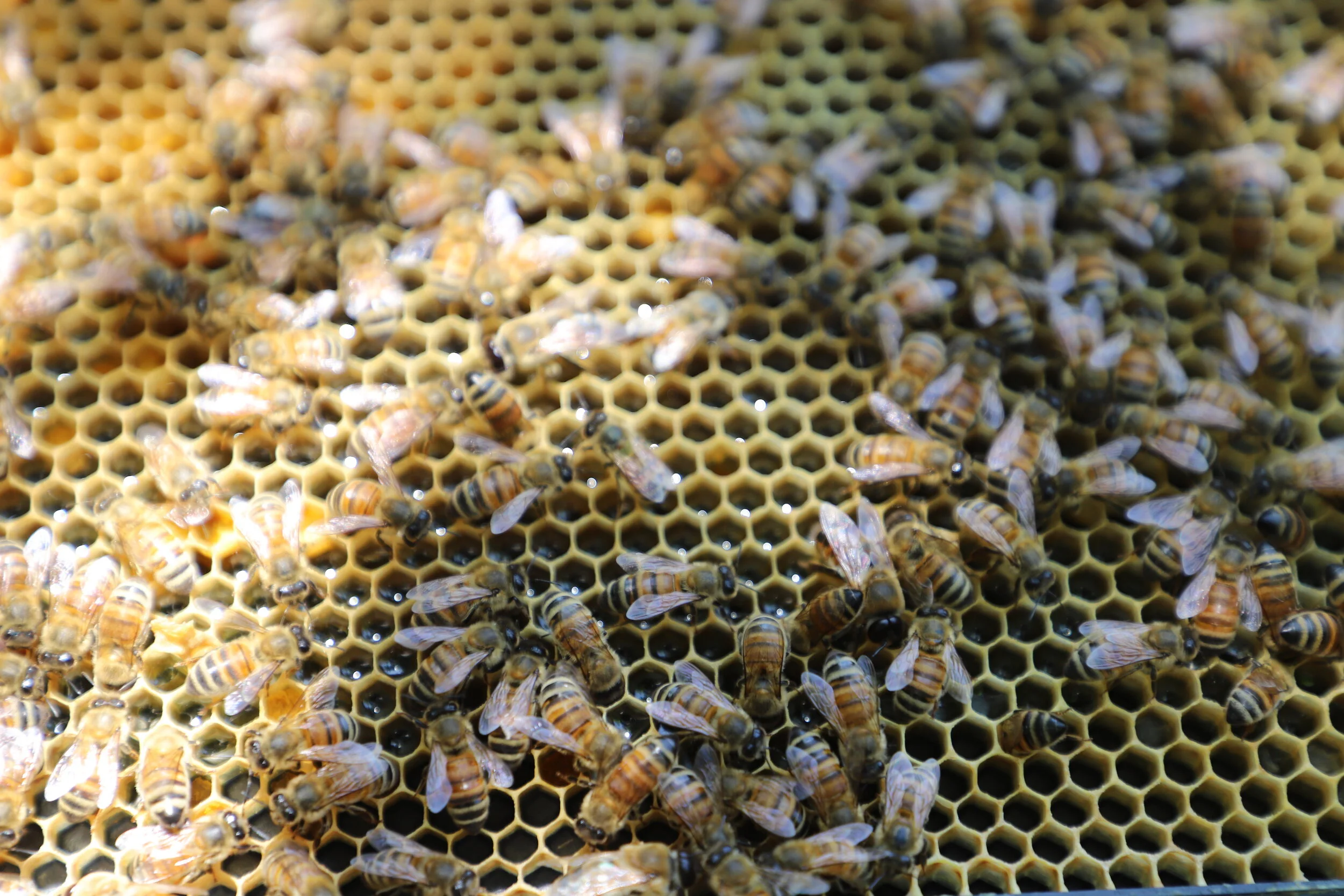
I conducted a hive inspection on Monday afternoon. It seems the bees are still storing pollen and honey, though not as much as they were in the late spring. The summer months in Pittsburgh usually feature a decrease in foliage which the bees would visit. They look very healthy and the frames of brood were impressive!

Screen Shot 2019-07-16 at 3.01.23 PM.png
IMG_2823.JPG
IMG_2824.JPG
IMG_2825.JPG
IMG_2792.JPG
IMG_2793.JPG